Increase clean energy use
Solar generation and battery dispatch are planned to shift more site consumption toward renewable electricity, especially during high-value operating windows.
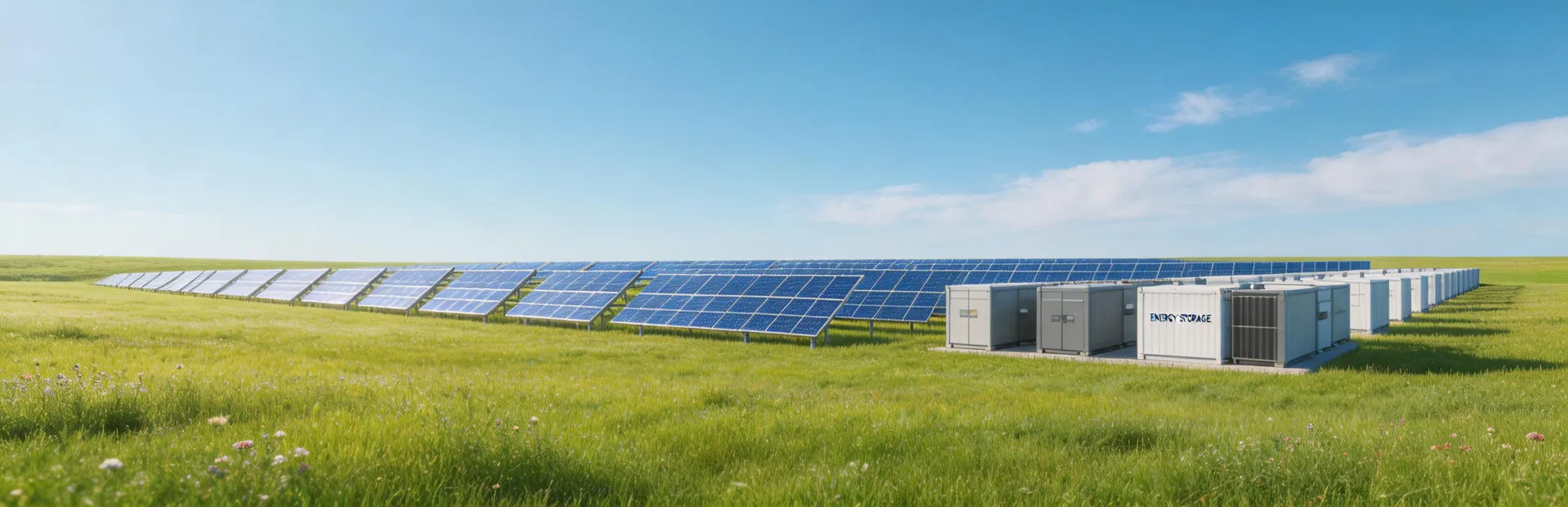
Tesla sustainability work is rooted in practical electrification: generate cleaner power, store it when it is valuable, use it intelligently and extend the life of the assets that make it possible.
A renewable energy project should not stop at installation photos. The real sustainability value appears over years of operation, as a site offsets grid electricity, reduces peak demand, supports cleaner vehicle miles and keeps equipment performing within safe operating windows. Tesla focuses on systems that can be monitored, adjusted and expanded, because transparent operation is what turns sustainability claims into durable results.
Solar generation and battery dispatch are planned to shift more site consumption toward renewable electricity, especially during high-value operating windows.
Backup storage and charging coordination help owners electrify transport and building loads without weakening operational continuity.
Monitoring data gives owners evidence of production, state of charge, demand behavior and system performance over time.
These indicators are not presented as universal promises. They are examples of the kinds of signals a well-designed energy system can track. A residential system may prioritize backup readiness and solar self-consumption. A commercial site may care more about demand reduction and charger coordination. A utility project may focus on dispatch availability, battery health and grid service performance. The shared requirement is a data layer that lets owners see whether the project is doing what it was built to do.
Sustainability also depends on responsible asset planning. Battery chemistry selection, thermal management, warranty behavior, inverter compatibility, service access and future expansion all affect the useful life of the system. Tesla's sustainability perspective therefore includes reliability and maintainability, not only carbon language. A system that operates longer, reports more clearly and adapts to new loads can deliver a stronger environmental outcome than a poorly integrated installation with impressive day-one marketing claims.
Discuss the metrics your stakeholders need to track after commissioning.
Plan Reporting