Battery backup planning brief
Explains critical load selection, outage scenarios, LFP operation, reserve settings and warranty-sensitive operating behavior for home and commercial storage buyers.
Request briefTesla Energy focuses on the intersection of batteries, solar generation, charging infrastructure and software control. The work is not simply to sell equipment. It is to make clean electricity more useful at the exact moment a home, business, vehicle fleet or grid asset needs it.
Renewable energy becomes transformational when generation, storage and demand can be coordinated in real time.
That belief shapes how Tesla presents energy systems to project owners. A battery is not treated as an isolated box. A solar array is not treated as a separate roof product. A charger is not treated as a simple electrical accessory. Each component changes how the site consumes, stores, exports and protects power. The company narrative therefore centers on orchestration: measuring flows, managing peaks, supporting backup needs and preparing assets for a grid that is becoming more distributed.
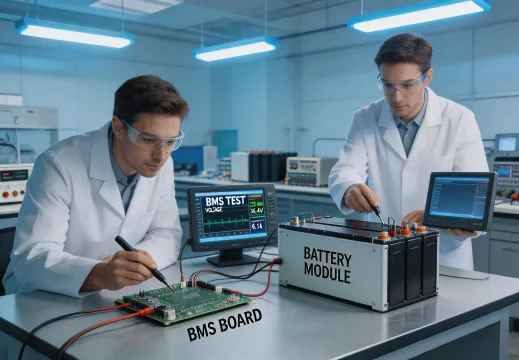
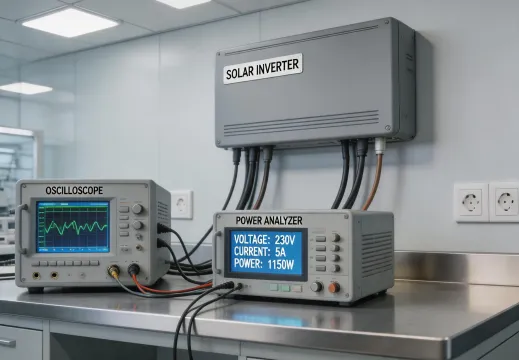
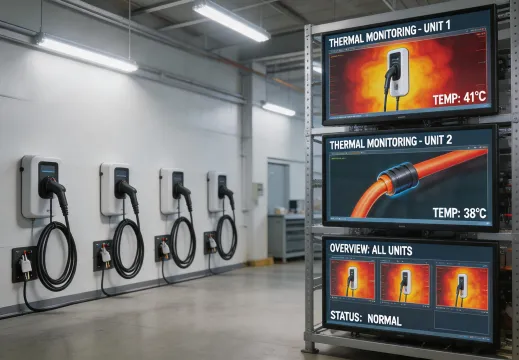
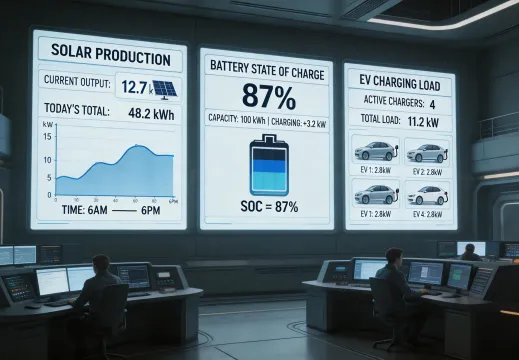
Explains critical load selection, outage scenarios, LFP operation, reserve settings and warranty-sensitive operating behavior for home and commercial storage buyers.
Request briefCompares AC-coupled and hybrid approaches, communications dependencies, interconnection implications and upgrade sequencing for existing PV sites.
Request notesHelps fleet managers document charger counts, dwell windows, peak demand, panel limits and future vehicle adoption so capacity planning is less speculative.
Request worksheetTesla's public energy story is often associated with speed and innovation, but buyers also need disciplined documentation. Large energy decisions involve installers, engineers, permitting teams, finance leaders and daily operators. Each group sees a different risk. The installer wants a clean electrical plan. The engineer wants known limits and compliance assumptions. The finance team wants visibility into demand savings, backup value and maintenance exposure. The operator wants a system that can be monitored without adding another disconnected workflow. The about page therefore highlights a company culture built around integration rather than isolated product claims.
The same mindset applies to future development. Battery chemistry, inverter firmware, grid services, virtual power plant participation and vehicle-to-home capability are moving quickly. Tesla Energy positions itself for that movement by keeping the system boundary broad. When a site adopts storage, solar and charging together, future software and hardware upgrades can be planned with fewer surprises. The result is a renewable energy asset that remains useful as utility rules, charging patterns and building loads continue to evolve.
Tell us whether your project starts with backup, solar production, charging growth or all three.
Contact Tesla Energy